Article: Lack of Cycling Infrastructure is a Matter of Life and Death
This article was originally published as part of our June 2025 newsletter.
Last month, we were shaken by the news of yet another life turned upside down for the simple act of riding a bike. A young woman was severely injured while biking to work when a truck driver ran them over at the intersection of Mill Street and Ulster Street.
During the same week, we learned the sentence of the truck driver who killed Jessica Moser less than a kilometer away at the intersection of Tristram Street and Norton Road in June 2022. Despite demonstrating that he cannot safely operate his vehicle, he was not disqualified from driving. He was given a fine, ordered to pay reparations to the family, and undertake community service.
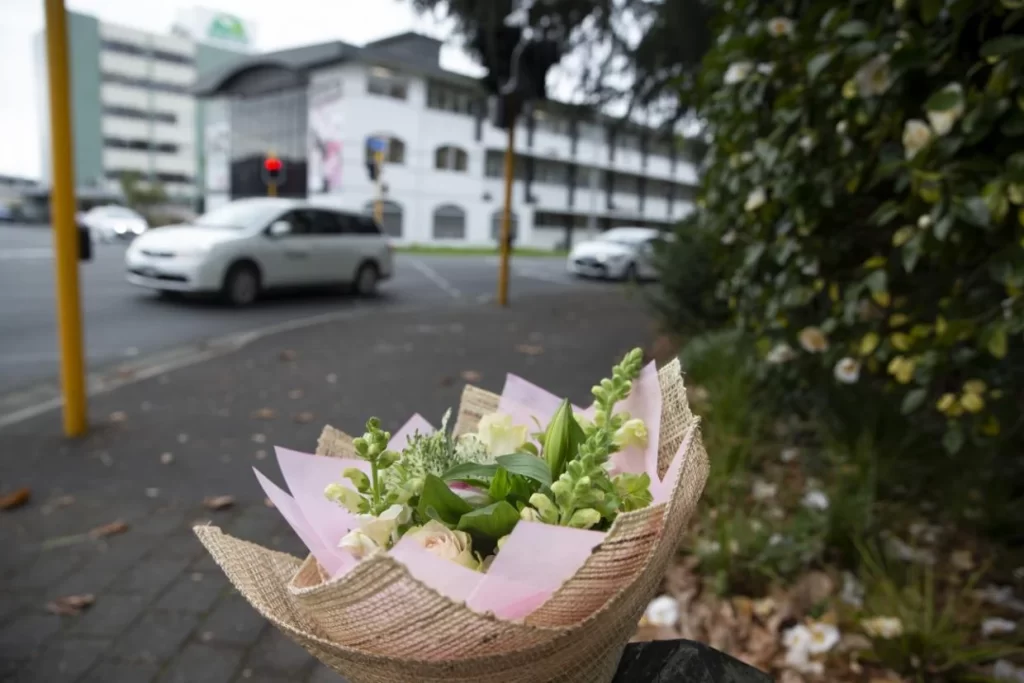
The judge determined that the lack of dedicated cycling infrastructure on this road was a significant factor in the death of the person riding a bicycle.
This is another devastating but critical reminder that investing in cycling infrastructure in Hamilton is not a “nice to have” but a matter of life and death. People are suffering life changing injuries and being killed just for getting around the city on a bicycle—and, as the judge in this case ruled, a lack of cycling infrastructure is compounding this issue.
So who is going to take responsibility for this?
In light of these events, we wrote to Hamilton City Council, our local Members of Parliament (Ryan Hamilton and the Hon Tama Potaka), and the Minister of Transport Chris Bishop highlighting this devastating and ongoing situation and urging for more direct action. We asked them: what will you do to improve safety for people riding bikes at these intersections in particular and in the city in general to prevent further injuries and deaths?
We heard back from the Minister and half of our Hamilton Councillors: Louise Hutt, Deputy Mayor Angela O’Leary, Maxine van Oosten, Sarah Thomson, Anna Casey-Cox, Maria Huata, Moko Tauariki, and Mayor Paula Southgate.
Our letters and their responses will be available on our website shortly.
Despite his Government slashing and reversing funding for road safety initiatives, Minister Bishop expressed continued “commitment” to improving road safety. He also sent us a link to the online Road Code to peruse guidance for “heavy vehicle drivers and cyclists”. Our view is that this response is lacking in real action.
The Councillors who responded to us expressed sympathy for this situation and outlined the funding situation for the next two years for improving cycling infrastructure. In particular, Councillor van Oosten requested information on trucks and the restrictions on their movements in the city, recognising that trucks have a disproportionate involvement in crashes in our city. We expect to hear more information in this space in due course.
We learned through our correspondence with Councillor Louise Hutt that the traffic bylaws for Hamilton City currently prohibit the driving of heavy vehicles on local, collector, or residential streets unless business is to be had (e.g., deliveries) specifically to addresses on those roads. Each instance of unlawful use of these roads can be met with a fine of up to $1000.
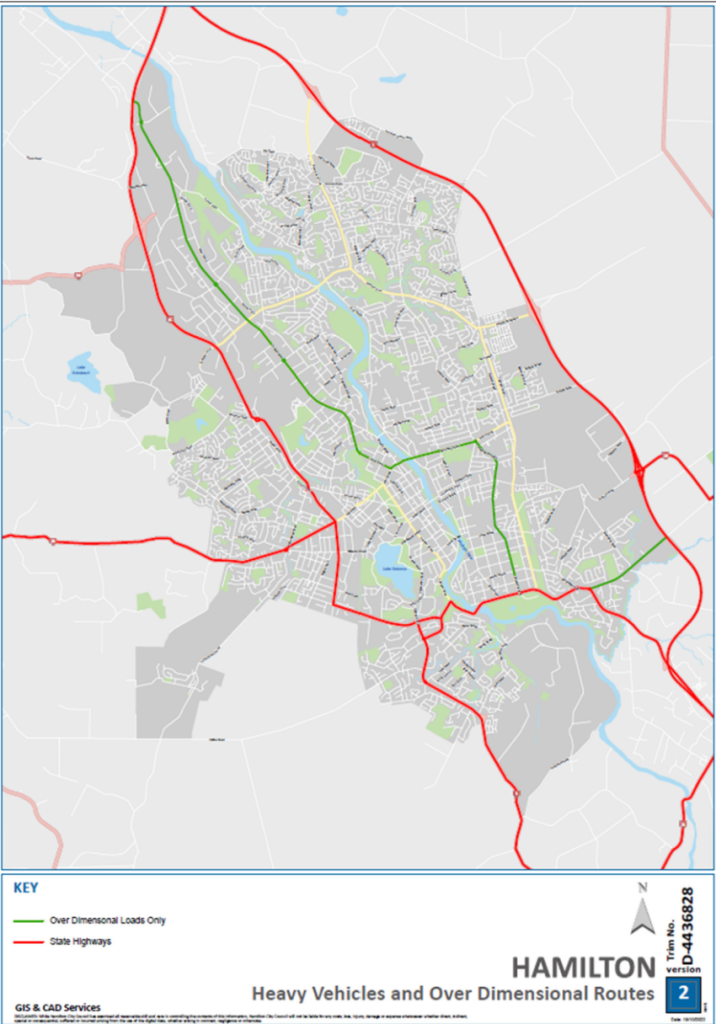
Did you even know about this? Do you think truck drivers know about this? This is certainly news for us.
The rules for heavy vehicles are outlined in Section 16 of the Hamilton Traffic Bylaw 2021.
However, there is no enforcement of this bylaw. There are no consequences for truck drivers or truck companies that drive unlawfully through local and arterial roads and endanger—and sometimes injure and kill—vulnerable road users.
We have heard debates in the public sphere about whether cycling infrastructure is really needed. In our view, this question has now been answered without a doubt. There are no more excuses for lack of actions, and we will be holding our decision makers accountable. We also want to see Hamilton City invest in actually enforcing the Traffic Bylaw and communicate to truck companies their responsibilities.
Our lives depend on it because cycling infrastructure is very much a matter of life and death.