Local Elections 2025 Reflections
The local Government elections for October 2025 have concluded and results are now available.
Overall Thoughts
The election campaigns this year have been fueled by frustration. While these frustrations are stemming from very real sources—rising cost of living, unavoidable water pipe and critical infrastructure replacements, and an unstable political climate—the posited solutions are not always realistic, effective, or based in reality.
Unfortunately, the electorate is not always aware of this, and bad faith actors take advantage. The decrease in voter turnout over the last few years has shown that there is a lack of trust in the Councils. We believe that we should be able to trust our elected officials to use the evidence to support investments into making the city, district or region, a better place, without relying on false narratives, or promises that are unrealistic given the need for investment into the future of the area.
Across the Waikato, mayors and councillors have been elected on platforms of “controlling rates” and “focusing on core services”. Naturally, cycling, micromobility, walking, and public transport are core services that Councils are expected to provide—even if they are not always treated as such. Many of the successful candidates in our region have pledged to stop or remove critical transport infrastructure, such as cycle lanes, raised safety tables, and in-lane bus stops.
Cycling is of course part of the solution to many of these problems—and not one of the issues. Cycling is cheap and convenient, especially over short distances, and increases discretionary spending, reduces congestion and traffic, improves our physical health and wellbeing, and keeps our air clean. Plus, we get all that for a relatively inexpensive investment!
This is why we are going to continue to advocate for cycling over the next three years. It is going to be more important than ever.
Join us as a member to support our mahi: https://bikewaikato.org.nz/get-involved/#membership.
Waikato Regional Council
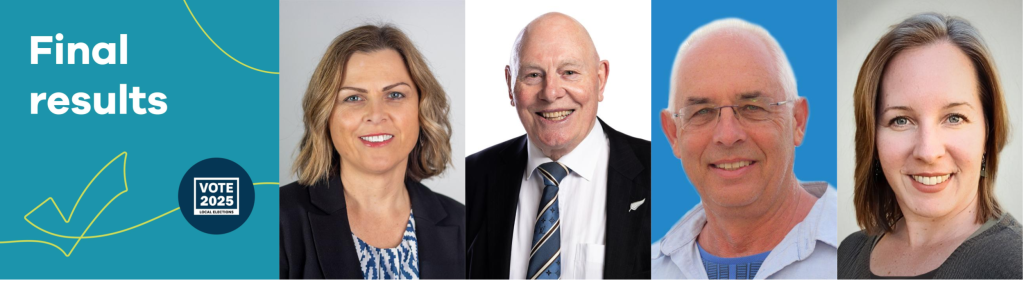
In the Hamilton Constituency of the Waikato Regional Council, Angela Strange, Chris Hughes, Jennifer Nickel and Ben Dunbar-Smith have been elected.
Both Angela Strange and Jennifer Nickel responded to our questionnaire, scoring relatively highly.
Chris Hughes and Ben Dunbar-Smith did not respond. They are members of the so-called Rates Control team, who have pledged to enact several cost-cutting measures, including a review of the public transport system.
This does not bode well for achieving the critical investment we need to move away from car-dependent planning.
Waikato District Council
In the Waikato District Council, none of the respondents to our survey (Ganga Sudhan, Jacqui Church, and Amanda Rutherford) have been elected to the Council.
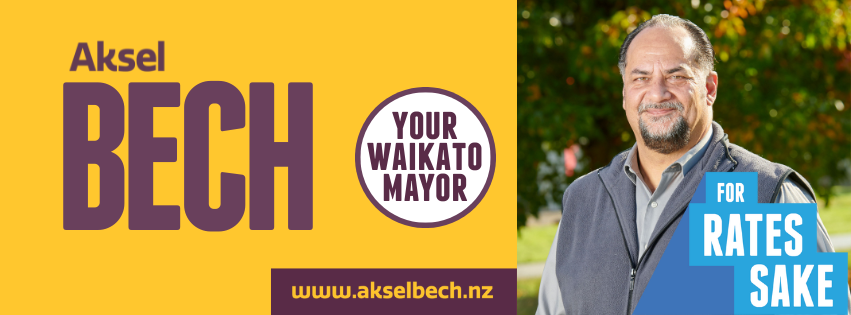
In addition, Aksel Bech has beaten incumbent Jacqui Church to become the mayor of the Waikato District. Mayor-elect Aksel Bech has a strong “rates control” platform and does not mention cycling or public transport on his website, though he states that he intends to “continue reviewing Waikato District Council’s own emissions from pools, street lighting, vehicles and other sources”, so there may be an opportunity (though slim) for cycling projects to proceed, though they surely will not be the focus of his mayoralty.
Matamata-Piako District Council
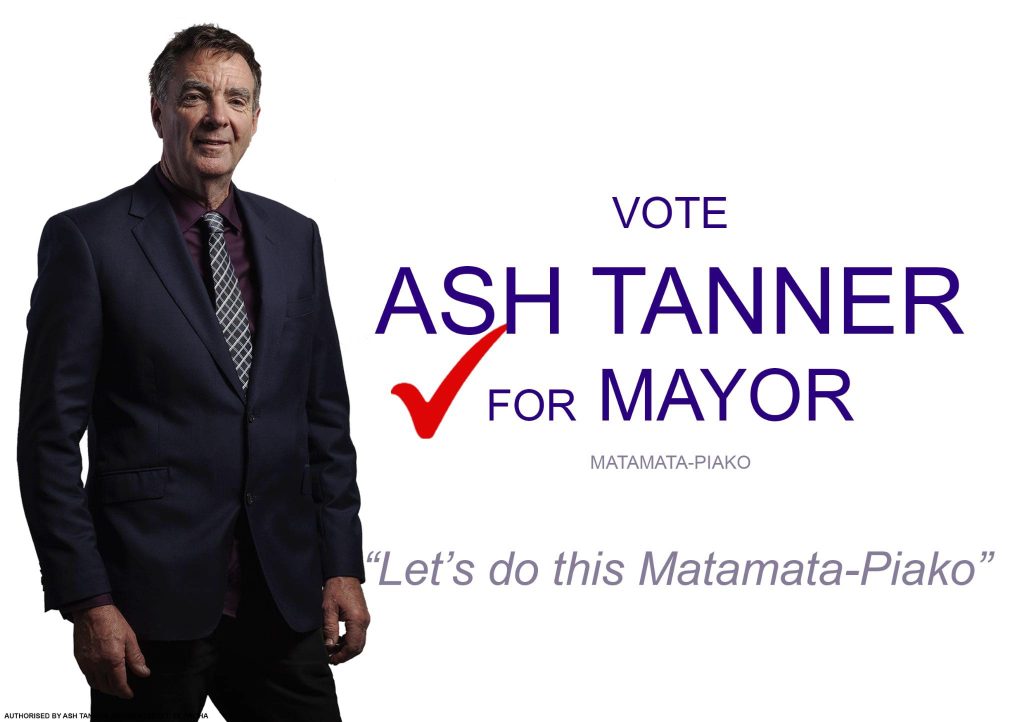
In Matamata-Piako, Ash Tanner has been elected as mayor. Again, Ash Tanner has a clear focus on lowering rates and cutting costs, citing “unnecessary red tape” and “bureaucracy” as barriers to affordable cost of living in New Zealand.
Of the respondents to our questionnaire, Sue Whiting has been elected. In her responses to our questionnaire, Sue Whiting supported better connectivity between the Hauraki Rail Trail and the River Trail and cited continued maintenance of the Hauraki Rail Trail as an area for improvement, but likewise focused on the costs of such infrastructure as a supposed limiting factor.
We are concerned that cycling will not be a priority in Matamata-Piako over the next three years.
Waipā District Council
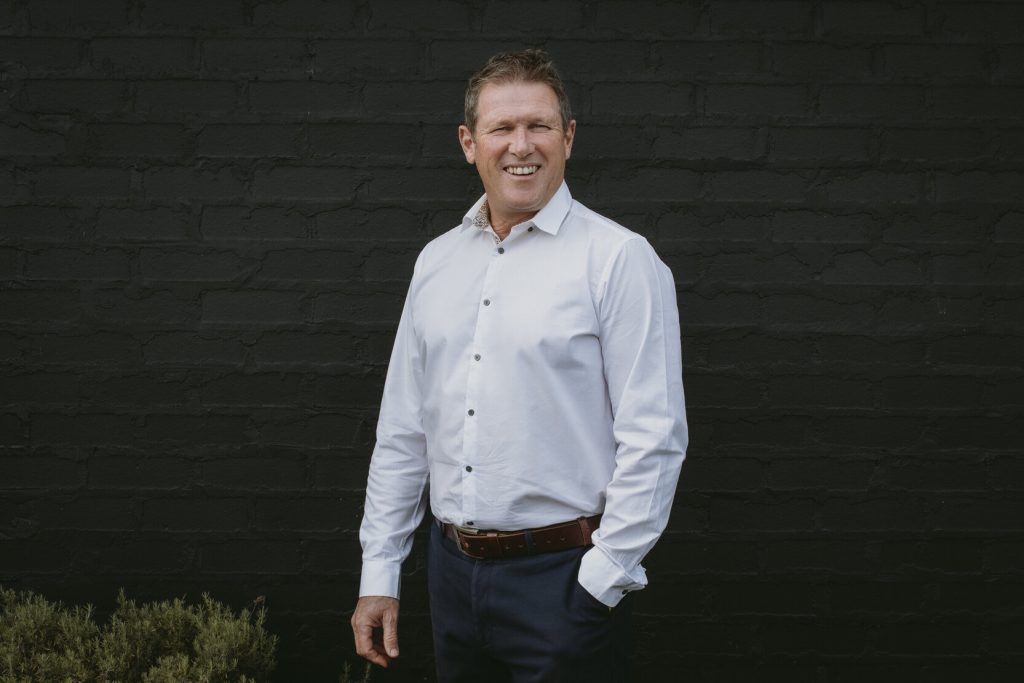
In the Waipā District, Mike Pettit has been elected mayor. He achieved a reasonable score on our questionnaire.
Of the other respondents, Clare St Pierre has been elected to the Pirongia and Kakepuku Ward, Roger Gordon has been elected to the Cambridge Ward, Dale-Maree Morgan has been reelected to the Waipā Māori Ward, and Shane Walsh has been elected to the Te Awamutu and Kihikihi Ward.
Compared to the results elsewhere in the Waikato, this is a positive result, which is not necessarily unsurprising given the recreational cycling culture in Cambridge. The themes raised by these successful candidates in our questionnaire include:
- Bike racks on buses
- Connectivity of cycleways within Cambridge
- Shared cycleways and paths
- More public transport, cycling, and scooter ridership and less cars/driving (especially single-occupancy vehicles!)
- Taking the community on the journey of micromobility
- Bicycle parking at high patronage bus stops
- Safe bicycle parking in the CBD
- Health and liveability benefits of cycling
We will be watching the Waipā District with interest over the next three years.
Hamilton City Council
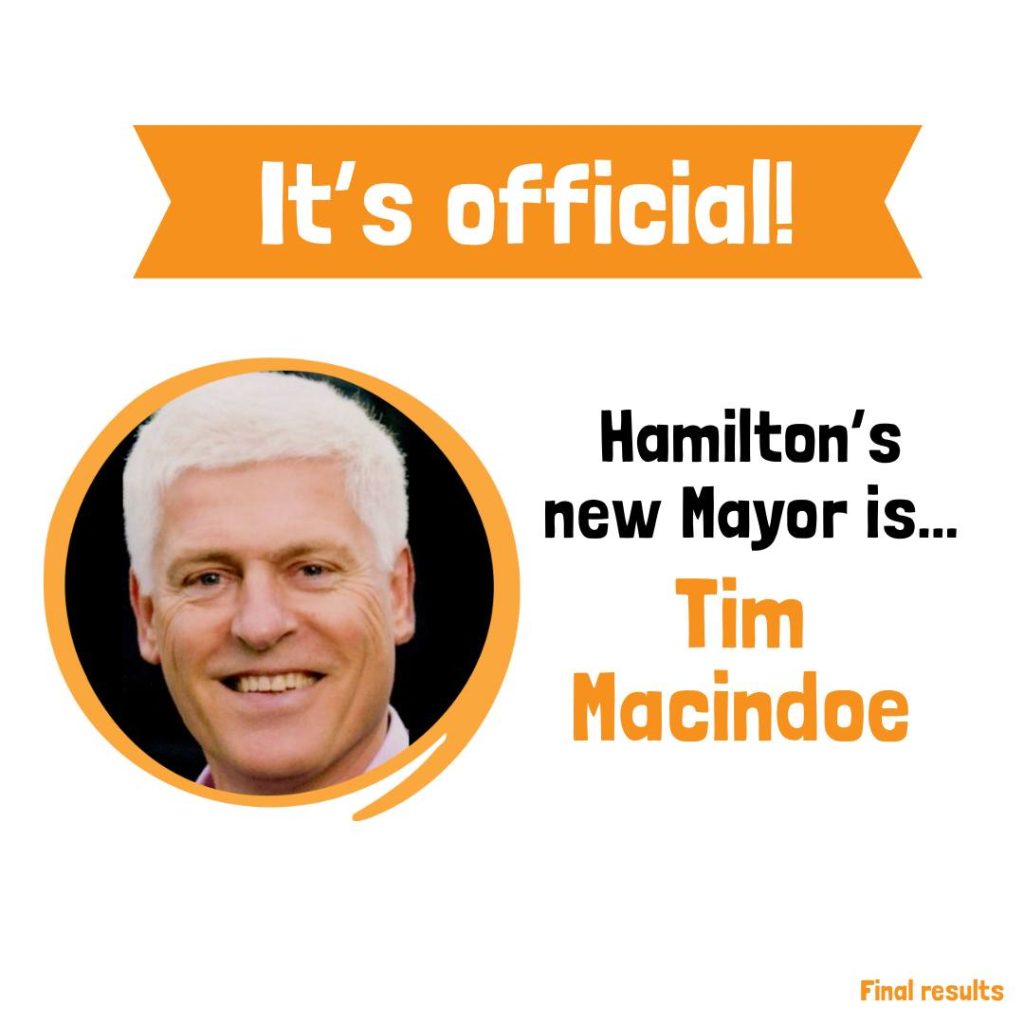
In Hamilton City, Tim Macindoe has won the mayoralty. Tim Macindoe scored close to zero on our questionnaire, and while he claims to support cycling as a form of transport, our voting records analysis indicated that in his short tenure since the by-election last year he voted against cycling initiative projects more often than he supported them. He has spoken strongly about opposing critical safety and mode shift infrastructure projects such as speed bumps and in-lane bus stops and is focused on “tighter financial management” and “core services” (which does not appear to include cycling, which is of course a key core service).
While the mayor is only ever one vote around the Council table, the return of other anti-cycling candidates Geoff Taylor and Andrew Bydder and the election of new Better Hamilton (another “rates control” and “core services” group) candidates Graeme Mead and Mesh Macdonald spell concern for the tone moving forward.
In the West Ward, our highest scoring candidate, Louise Hutt, failed to win reelection, and in the East Ward, strong cycling supporter Maxine van Oosten also failed to win reelection. However, Maria Huata, Anna Casey-Cox, and Angela O’Leary who all scored highly on our voting records analysis, won reelection in the Kirikiriroa Maaori Ward, East Ward, and West Ward respectively.
Of the remaining successful candidates, Rachel Karalus and Leo Liu scored greater than zero on our questionnaire but not as highly as the strong pro-cycling candidates, and Sue Moroney attended our joint rally with Living Streets and spoke positively about cycling and micromobility.
Advocacy for cycling in Hamilton over the next three years is going to be more critical than ever.